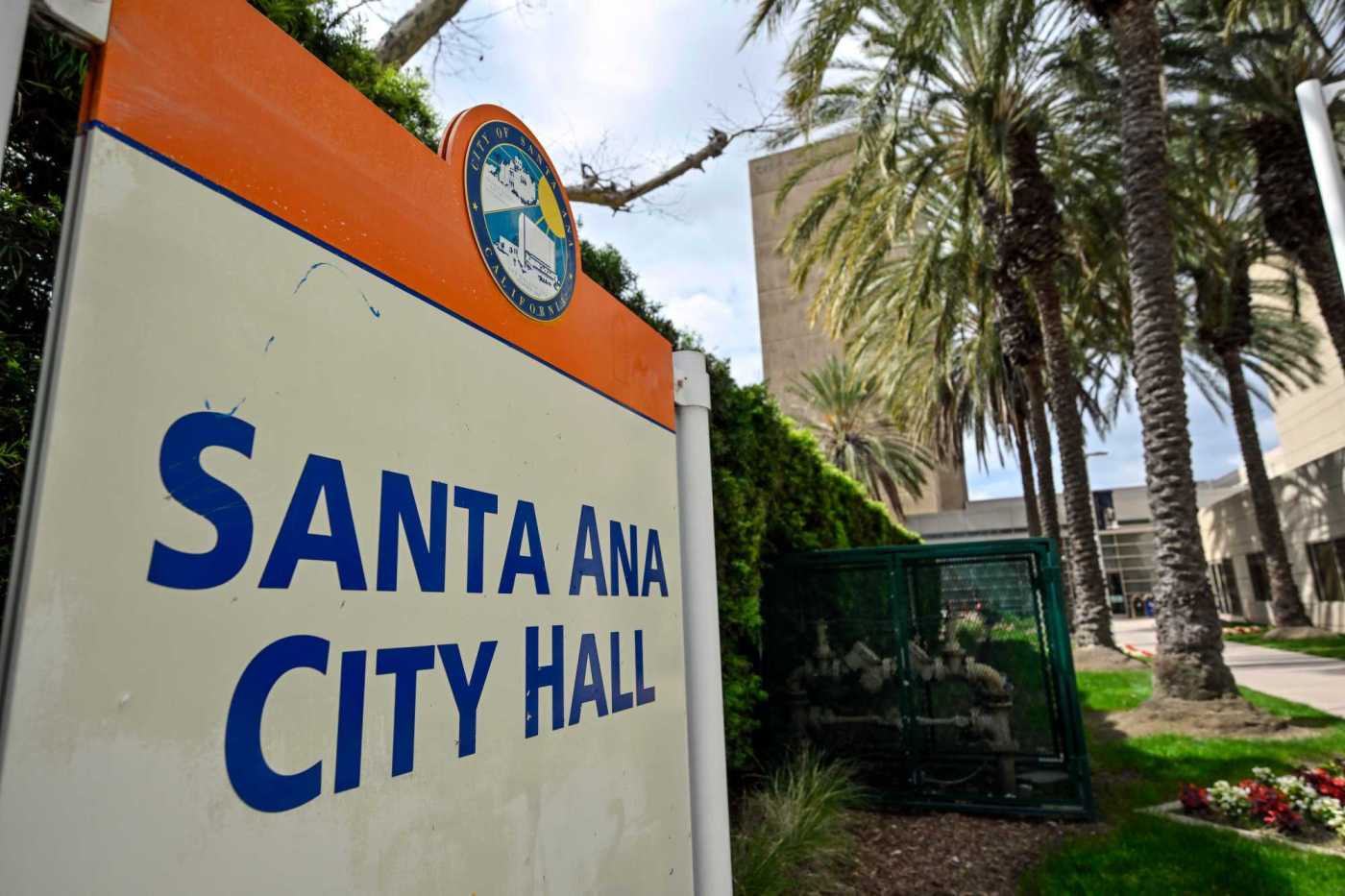
Changes aimed at streamlining the Santa Ana Police Department’s certification process in support of U-Visas, which the federal government uses to grant temporary legal status to noncitizen victims of certain crimes, will take effect this month.
The reforms, recommended by the city’s Police Oversight Commission, aim to improve fairness, accountability and transparency, officials said. Looking ahead, Commissioner Carlos Perrea said he hopes the U-visa policy overhaul will serve as a model for how the commission, which only became active in 2024, reviews and provides input on other SAPD policies, including continued engagement with community stakeholders.
Perrea said the U-Visa certification process was one of the primary concerns raised when commissioners began reviewing SAPD’s immigration and sanctuary policies, adding that it “needed an overhaul.”
Created by Congress in 2000 under the Victims of Trafficking and Violence Protection Act, U-Visas grant temporary legal status to noncitizen victims of crimes such as sexual assault, domestic violence and human trafficking. The visas provide temporary protection from deportation to allow qualifying victims to live and work in the United States for up to four years to give them time to cooperate with law enforcement on a criminal case, while also providing a period of stability for those who may have suffered mental or physical abuse as a result of the crime. Individuals may be eligible for permanent residence after three years.
Local law enforcement officials have to confirm to the government that the victim has cooperated as part of their application for the visa.
Immigrant justice organizers had complained that the Police Department was making it difficult for undocumented victims to navigate the certification process, potentially putting them at risk of deportation, with an inconsistent application of procedures, no clear appeals process and an “over-reliance” on district attorney referrals and pressure to pursue prosecution. They also argued the Police Department was misinterpreting the “helpfulness” presumption.
Orange County Rapid Response Policy Director Sandra de Anda argued the department’s interpretation of the U-Visa guidelines gave applicants “a threshold that was almost impossible to meet.”
Between 2017 and 2025, the Santa Ana Police Department denied 53% of the 2,961 U-Visa certification requests it received — more than double the national average during at least some of that period. Between 2016 and 2020, the denial rate nationwide ranged from 18% to 23%, according to a Department of Homeland Security report.
The Santa Ana Police Department’s spokesperson did not respond this week to requests for comment or more information.
“There’s not a lot of ambiguity on the refusals,” Criminal Investigations Division Commander Rosa Pon DeLeon told the oversight commissioners at a previous meeting. “We make our best efforts to get our witnesses to come forward and provide testimony.”
In 2025, the commission started its review of the SAPD’s practices and procedures surrounding the U-Visa process and solicited feedback from immigration attorneys at Western State College of Law’s Immigration and Deportation Defense Clinic and the Public Law Center and from the Orange County Justice Fund and the Orange County Rapid Response Network, which work directly with communities affected by federal immigration enforcement.
In one case shared with the commission, a Santa Ana resident facing removal proceedings was the victim of a felony assault and sought U-Visa certification with the help of a private immigration attorney. Although the certifying detective initially confirmed the individual’s victim status, later reports described the resident as “uncooperative” and stated they “did not want to press charges.”
While the community member did not participate in the prosecution, advocates argued they met the “helpfulness” threshold at the time of the incident, which requires a victim to aid in detection, investigation, or prosecution, not all of the above. The resident had cooperated, provided information requested by law enforcement during the investigation and assisted in identifying the assailants, they told the commission. Even so, the certification was ultimately denied, and the person is now in ICE custody.
“The whole process, as it was, just criminalized the very same victims that were trying to find a sense of justice,” said De Anda. “They were not allowing these families to seek their own sense of justice by always pushing for prosecution.”
The policy reforms recommended by the commission were officially adopted by City Manager Alvaro Núñez on Feb. 12 with minor language adjustments.
The new changes require SAPD to provide detailed written explanations for visa denials; mandate an annual public report on how many certifications were requested, approved, denied or referred; establish a formal appeals process; and codify a written presumption that victims are helpful unless there is clear evidence otherwise.
De Anda said she is “extremely proud that our community came together” to push for the reforms.