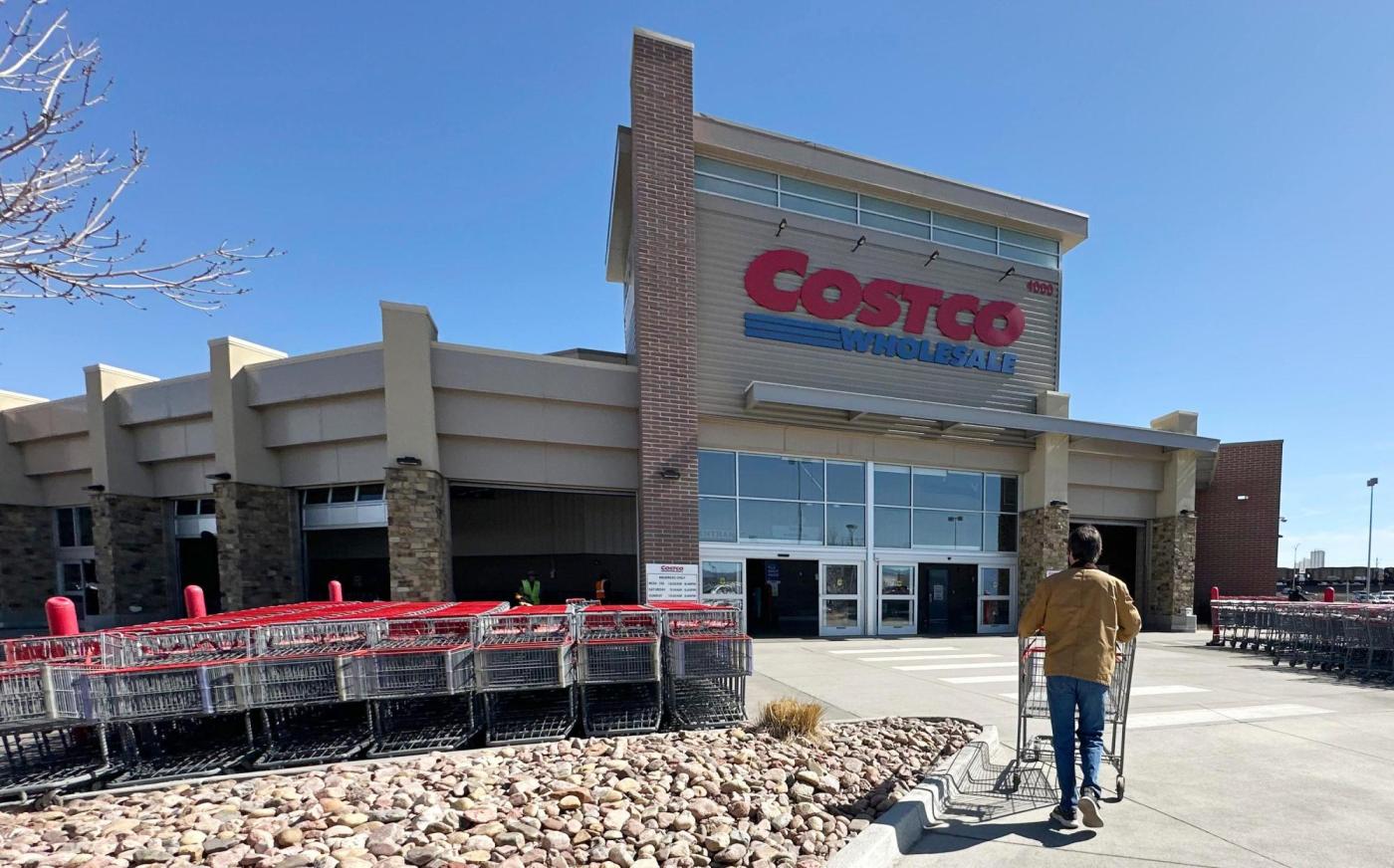
The City Council decided Brea will enter an agreement with a Southern California real estate developer to pursue a Costco Wholesale in exchange for a portion of the resulting sales tax revenue if the big box store is landed.
Under the agreement the council approved this week, 3-1, with Councilmember Christine Marick opposed and Councilmember Blair Stewart absent, Dwight Manley promises to purchase the 34-acre property at 200 and 250 S. Kraemer St. — currently the headquarters for Beckman Coulter. Property owner Hines acquired the Beckman Coulter site in 2018, and put the property on the market in May.
Manley would then be responsible for bringing in and developing a Costco on that site. Manley grew up in Brea and has developed several properties in town, including much of Brea Downtown.
It is estimated that purchasing the site would cost Manley about $106 million.
“It’s really expensive,” Manley said during Tuesday’s council meeting. “It’s well over $100 million, and it’s gonna be an auction process. I reached out to the city, and I said, ‘This is gonna be happening here. This could go in a lot of different directions.’”
Manley said other interested bidders are hoping to turn the site into “800 homes or 24-hour distribution centers like the Amazon Center,” which the city’s zoning allows for.
Manley has until Dec. 31 of next year to enter into a leasing agreement with Costco. If that deadline is not met, the agreement will be terminated.
And even if Costco proposes a site plan, the city is not bound to approve it.
But if successful, the agreement between the city and Manley, acting “in his capacity as trustee of the DVQ Revocable Trust,” would span 50 years with a percentage of the annual sales tax revenue collected by the city reimbursed to the property owner each year.
“We have not determined the method of reimbursement,” city spokesperson Liz Pharis said.
This kind of agreement is “very common for economic development,” Pharis said.
“It might not be exactly this type of agreement, but some kind of sales tax share agreement that could incentivize certain businesses coming in the city is common,” Pharis said, adding that the city has long been eyeing a Costco.
For the first two years of Costco’s operation, 100% of the sales tax revenue generated would be reimbursed by the city. That percentage would then dwindle over the next few decades to 40% for the last 10 years of the agreement, after which the city would retain all sales tax revenue.
And 5% of the reimbursed funds every year would be reserved for city programs, events and services at the Brea Senior Center.
City staff estimated in their report to the council that Costco would bring to the city’s general fund about $50,156,250 in sales tax revenue over the 50 years. The city would reimburse $83,593,750.
“So the sales tax sharing is because the person putting up close to $100 million … to get this is taking all of the risk,” Manley said, adding that he would be making less than 6% on the investment.
“That’s a low return with risk included in there,” he said, calling it “the skinniest developer deal I’ve ever heard of.”
Before taking a vote, the City Council discussed the agreement’s potential drawbacks. A majority of residents who spoke during the council meeting expressed concerns over having a Costco in their backyard, fearing traffic congestion along Birch Street, which runs north of the property and is immediately adjacent to a residential block.
When plans for the site are clearer, Assistant City Manager Jason Killebrew said the city will look to address those issues.
The council also discussed whether the deal would be financially viable for the city long-term.
“The city’s not putting up money for this. It’s Dwight that’s putting up money,” Councilmember Steven Vargas said. “So the time value of money would affect Mr. Manley, not the city.”
But Marick, the sole opposed vote, raised concerns.
“If, for whatever reason, the business ceases to operate, we’re looking for a 50-year period here,” she said, adding that though she’d “love” to see a Costco in Brea, she doesn’t see in the arrangement “a protection for the city.”
“Yes, you’re receiving some amount of sales tax,” she said, “but other uses that we don’t have to subsidize this way, we would be getting all up front.”
Sales tax in Brea is 7.750% and is the city’s largest revenue source, projected to represent about 37% of the 2025-27 budget of $77.4 million, according to city estimates.
Last year, the city made more than $27 million in sales tax revenue.